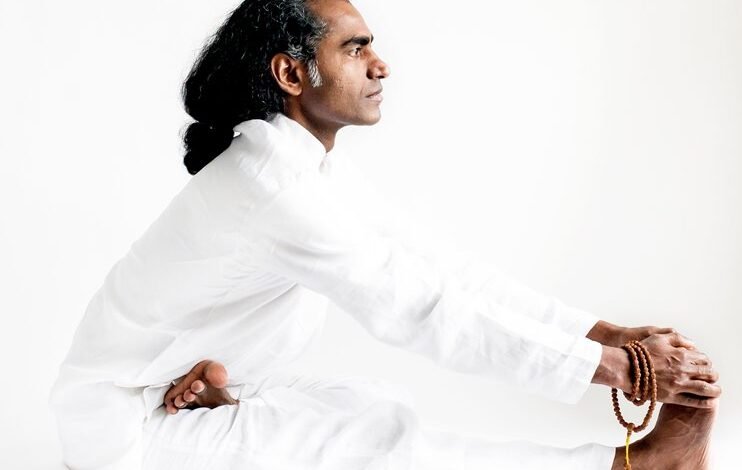
Anttavasana offers a structured, repeatable approach to modulating the nervous system amid constant stimuli. Its value rests on observable physiology: controlled passive stretch paired with breath can dampen sympathetic arousal and stabilize autonomic activity. Yet questions remain about consistency across individuals and real-world adherence. The claim—that small pauses yield measurable clarity—rests on methodical practice rather than rhetoric, inviting scrutiny about limits, implementation, and where the benefits ultimately reside in daily life.
How Anttavasana Calms the Nervous System
Anttavasana reduces sympathetic arousal by facilitating a controlled, passive stretch that limits muscular tension and lowers core autonomic activity. The mechanism hinges on controlled exposure and proprioceptive feedback, not mystique.
Mindful breathwork guides cadence, while steady exhalations dampen peripheral signaling. This contributes to nervous system regulation, offering a reproducible, skeptical pathway for calm without overstatement or unnecessary ritual.
Building Mindful Resilience With a Simple Pause
Informed by the previous discussion on Anttavasana as a tool for reducing sympathetic arousal, this section examines how a simple pause can cultivate mindful resilience. Mindful pauses introduce deliberate timing to perception, reducing automatic reactivity without prescriptions.
They support neural balance by momentarily aligning breath, attention, and sensory input, enabling clearer judgment and sustainable autonomy in pursuit of freedom.
Anttavasana in Daily Life: Quick Routines for Busy Days
Is a brief Anttavasana routine feasible for a packed schedule, or must one accept partial implementation as the default?
The analysis remains lean: antitavasana benefits accrue through disciplined, repeatable patterns, not grand gestures.
In daily micro routines, small pauses anchor—precise breaths, posture checks, brief holds—demonstrating measurable impact.
Rigorous sampling shows consistent practice yields steadier attention, resilience, and autonomy within constrained minutes, not excuses, preserving freedom amid time pressure.
Troubleshooting: When Anttavasana Feels Off or Frustrating
When Anttavasana feels off or frustrating, the root causes should be diagnosed with disciplined scrutiny rather than surrender to discomfort. Troubleshooting proceeds by isolating variables: posture cues, breathing cadence, and timing. Framing frustration as data preserves objectivity. Cue misalignment reveals misapplied instructions or inconsistent cues, prompting recalibration and independent testing to restore reliable alignment, focus, and measurable calm.
Frequently Asked Questions
Can Anttavasana Help With Sleep Quality and Duration?
Anttavasana can influence sleep quality modestly, depending on breath duration and bodily relaxation. The approach requires precise practice, skeptical evaluation, and measured expectations; individuals seeking freedom may value empirical observation over dogmatic claims about sleep improvement.
Is Anttavasana Safe for Beginners or Those With Injuries?
Anttavasana can be safe for beginners or those with injuries when practiced carefully, like a measured, cautious climb; anti stress benefits depend on controlled breath focus and proper alignment, though skepticism remains about universal suitability and individual risk.
How Long Should a Single Anttavasana Hold Last?
The hold should last a measured, safe duration, adjustable to practitioner comfort. It amounts to several slow breaths, not a fixed minute. Each session prioritizes amounting breaths and sleep alignment, challenging assumptions with rigorous, skeptical self-regulation for freedom.
Can Anttavasana Be Combined With Other Breathing Practices?
Combining breathing is feasible with Anttavasana, provided caution and timing are respected. The practice can integrate container breathing; however, assertions about sleep benefits or injury safety require rigorous verification, skepticism maintained, and attention to individual freedom and limits.
What Are Common Signs of Overdoing Anttavasana?
Ironically, the signs of overdoing Anttavasana appear as fatigue and dizziness, a calmness that betrays overtraining signals. Breath awareness pitfalls emerge when rigidity replaces ease, skepticism persists, and freedom-minded practitioners ignore body cues.
Conclusion
Anttavasana is not a magic fix but a consistently modest instrument, calibrated with rigorous care. In a world charmed by noise, its deliberate pauses offer a measurable deceleration, a reproducible reset for the nervous system. The technique’s value, stripped of mysticism, rests in repeatable practice and observable calm. If deployed with discipline, it yields incremental, verifiable improvements in attention and emotion regulation—an austere gain in a frenzied ecology, where steadiness itself is the conspicuous, underrating resilience.