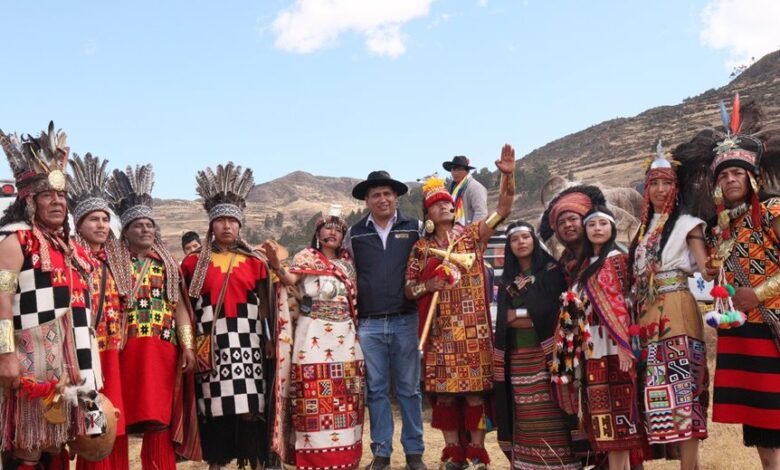
Picchaloca today embodies a dialogue between heritage and daily practice. Its people translate past experiences into present identity while balancing traditional knowledge with modern needs. The place sustains practices that inform future responsibilities, yet remains pragmatic about constraints. Governance appears transparent, collaboration distributed, and outcomes tangible. As economic resilience and cultural continuity intertwine, the community demonstrates a steady, place-based approach—one that invites further scrutiny of how such balance is achieved and sustained.
What Picchaloca Represents Today: Heritage, People, and Place
Picchaloca stands as a nexus where history, community, and landscape intersect, revealing how heritage is lived rather than preserved in isolation.
The site embodies heritage preservation through daily acts, where personal narratives illuminate communal memory.
It favors community engagement over abstraction, turning place into dialogue.
Cultural continuity emerges as residents translate past experiences into present identity and future responsibility.
Sustainable Practices Guiding Picchaloca’s Future
Sustainable practices shaping Picchaloca’s future emerge from careful observation of how residents balance heritage with modern needs, translating traditional knowledge into pragmatic stewardship.
They emphasize heritage preservation as a guiding principle, integrating adaptive techniques with contemporary standards.
Community engagement informs decision-making, ensuring inclusive participation and transparent processes.
This contextual, analytical approach reveals a cohesive path where culture supports resilience without compromising freedom.
Economic Resilience Through Local Collaboration
Economic resilience in Picchaloca hinges on localized collaboration that aligns small-scale initiatives with shared objectives. The approach analyzes how micro- ventures integrate, creating steady value rather than single gains. Local collaboration reduces risk by distributing effort and knowledge, enabling adaptive strategies amid change. Observers note measured outcomes, transparent feedback loops, and practical trust, cultivating enduring economic resilience without sacrificing individual autonomy.
Inclusive Storytelling and Community Innovation at Picchaloca
Inclusive storytelling and community innovation in Picchaloca emerges as a deliberate interface where local narratives inform practical experimentation. The approach maps diverse voices to shared initiatives, translating heritage into scalable actions. Observers note iterative collaboration, transparent decision-making, and measurable impact. Contextual ripples reveal how inclusive storytelling shapes trust and participation, while community innovation accelerates adaptive solutions for everyday challenges and collective freedom.
Frequently Asked Questions
How Does Picchaloca Address Impact on Local Ecosystems?
Picchaloca conducts an impact assessment to gauge effects on local habitats, guiding mitigation. It supports ecosystem restoration by prioritizing native species, buffer zones, and habitat connectivity, while monitoring long-term outcomes with transparent data and adaptive management.
What Are Picchaloca’s Biggest Upcoming Community Projects?
An allegorical clock tolls: Picchaloca’s biggest upcoming community projects unfold as two word discussion ideas and upcoming collaborations shaping a freer, observant landscape, where partnerships map resilient futures and contextual analysis guides collective action.
How Can Visitors Participate in Picchaloca Events?
Visitors participate through structured events and open forums, engaging in participatory gardens and skill-sharing sessions. Volunteer coordination systems organize roles, schedules, and feedback, enabling inclusive involvement while observational analysis tracks impact and fosters a sense of freedom within Picchaloca’s activities.
What Training Opportunities Exist for Local Artisans?
Training opportunities exist for local artisans through structured programs emphasizing artisan mentorship and craft entrepreneurship, while incorporating textile working and wood carving. The observant, contextual analysis notes inclusive curricula, practical workshops, and peer networks that empower creative freedom and sustainable practice.
How Is Picchaloca Funded Beyond Donations?
Funding beyond donations for Picchaloca relies on funding diversification and sustainable revenue streams, including grants, earned income from workshops, merchandise, and partnerships. Observant analysts note these mechanisms foster resilience, contextual relevance, and financial freedom for the community.
Conclusion
In Picchaloca, the village is a living loom, weaving past threads with future fibers. Heritage stands as the steady loom itself, People as the weavers who choose patterns, Place as the thread that binds every stitch to surrounding soil and water. When sustainable habits are the careful knots, the fabric endures. Through inclusive storytelling and shared invention, the loom expands, uniting neighbors into a tapestry that guides seasons of change with patient, contextual wisdom.